Well, it’s finally Spring here and we can trade in those dry, sunny days in the 60s of Winter for our (mostly) dry, sunny days in the 60s of Spring.
No matter what the temperature or level of precipitation, birds always find a way to know the seasons are changing and that means they are on the move. Gone are our winter residents like Buffleheads, Mergansers, Goldeneyes and others. We now welcome transient migrants as well as our summer residents. Some of those latter aren’t seen at all here in the winter while the rest are seen in small numbers and then swell their ranks in April or so.
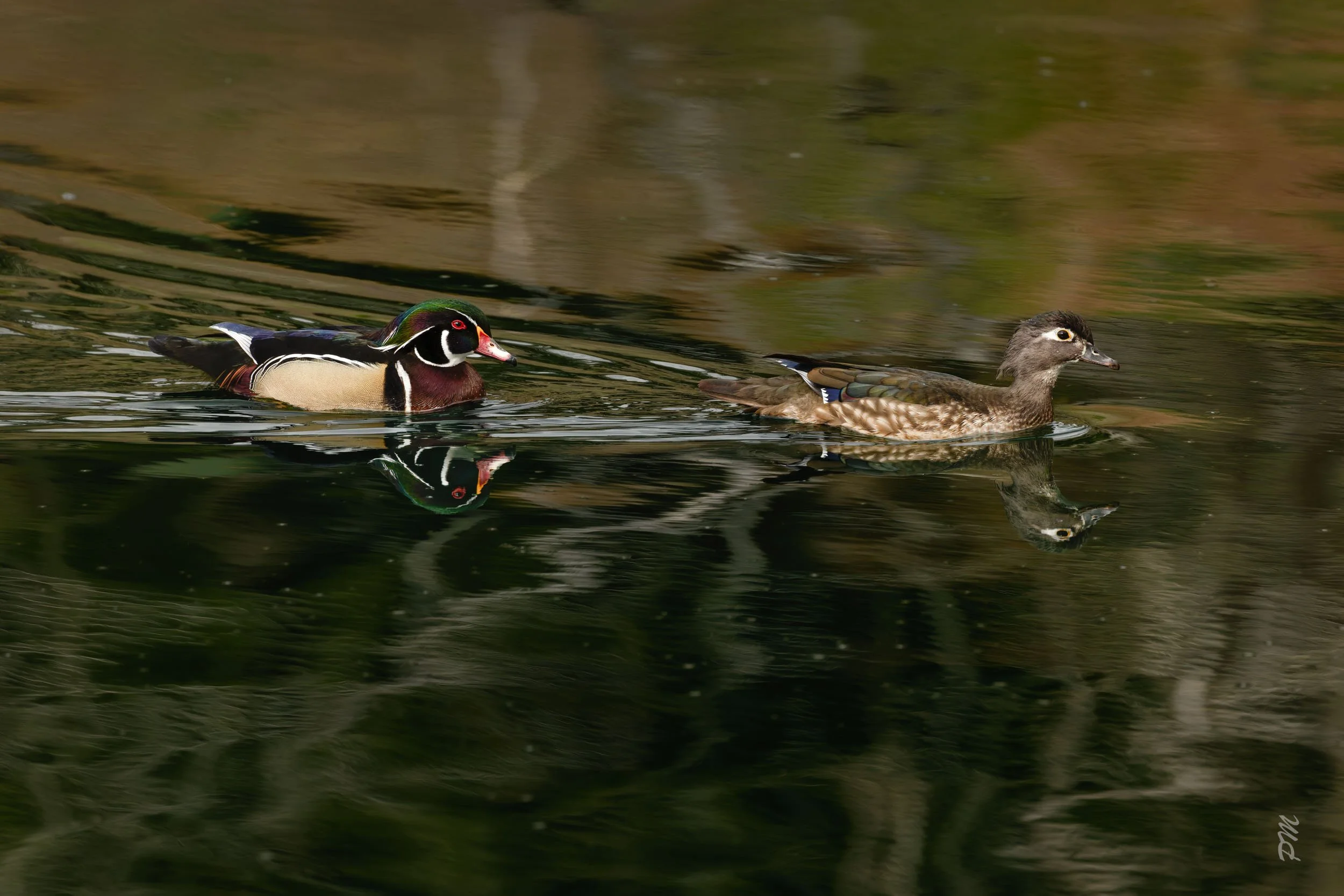
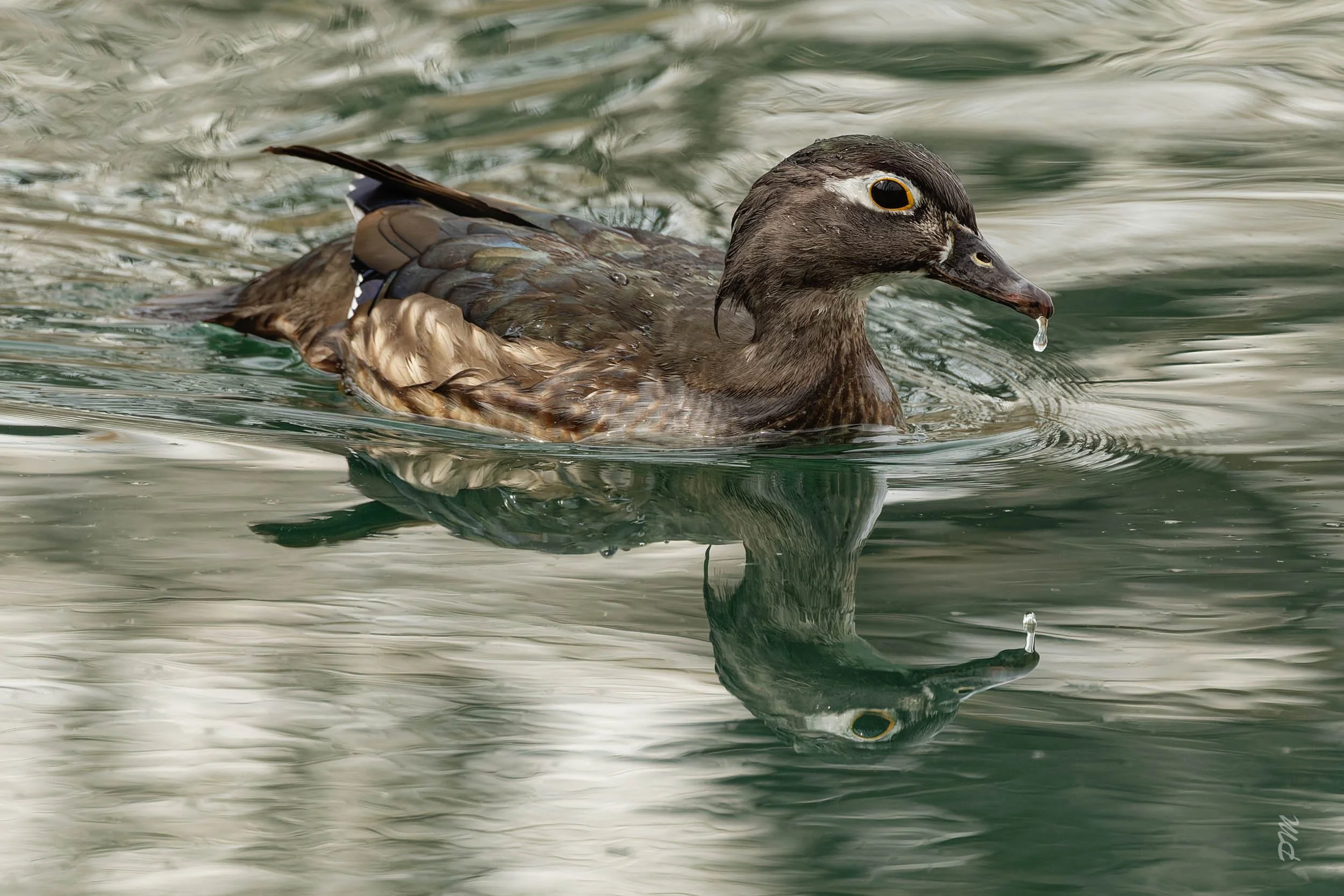
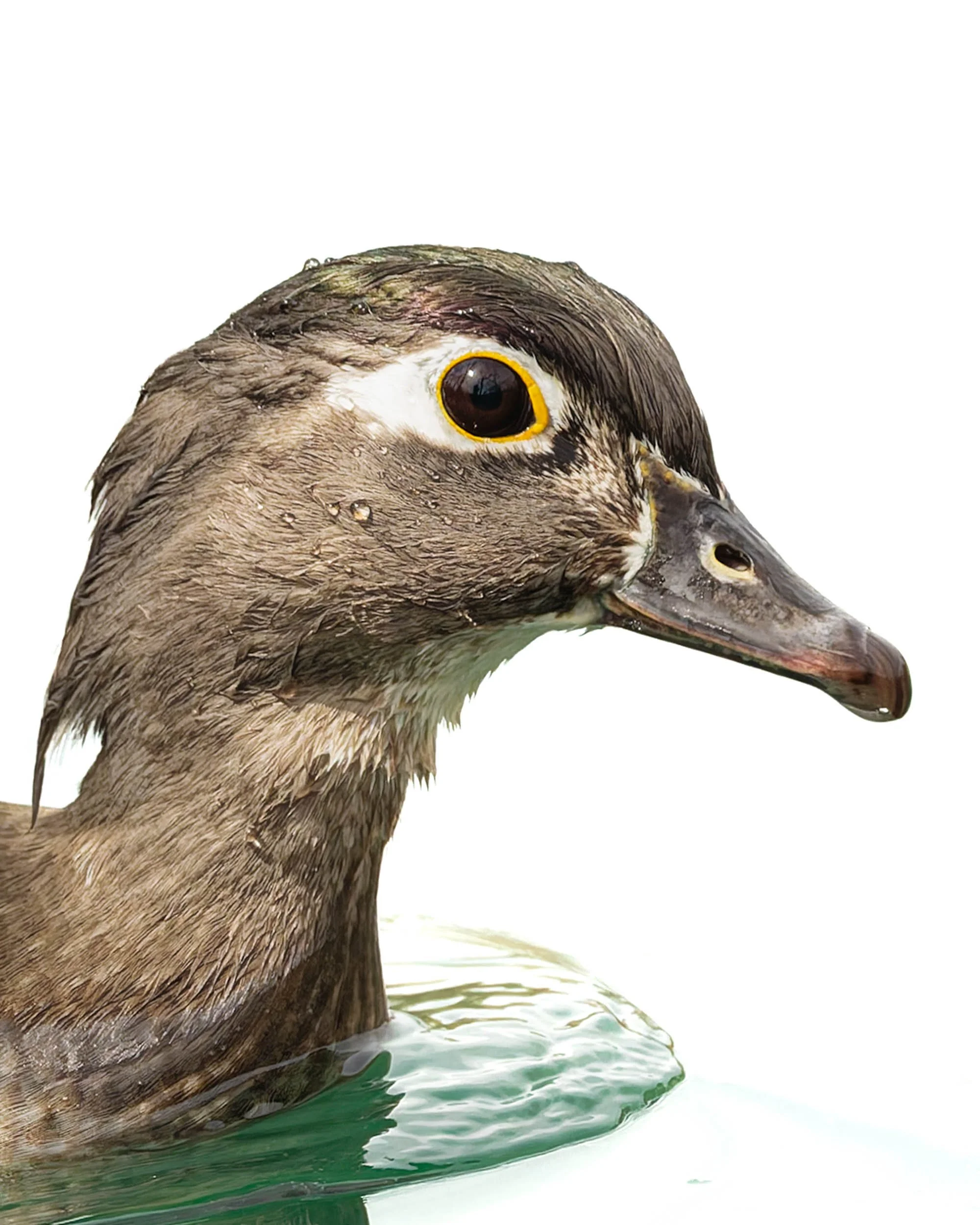
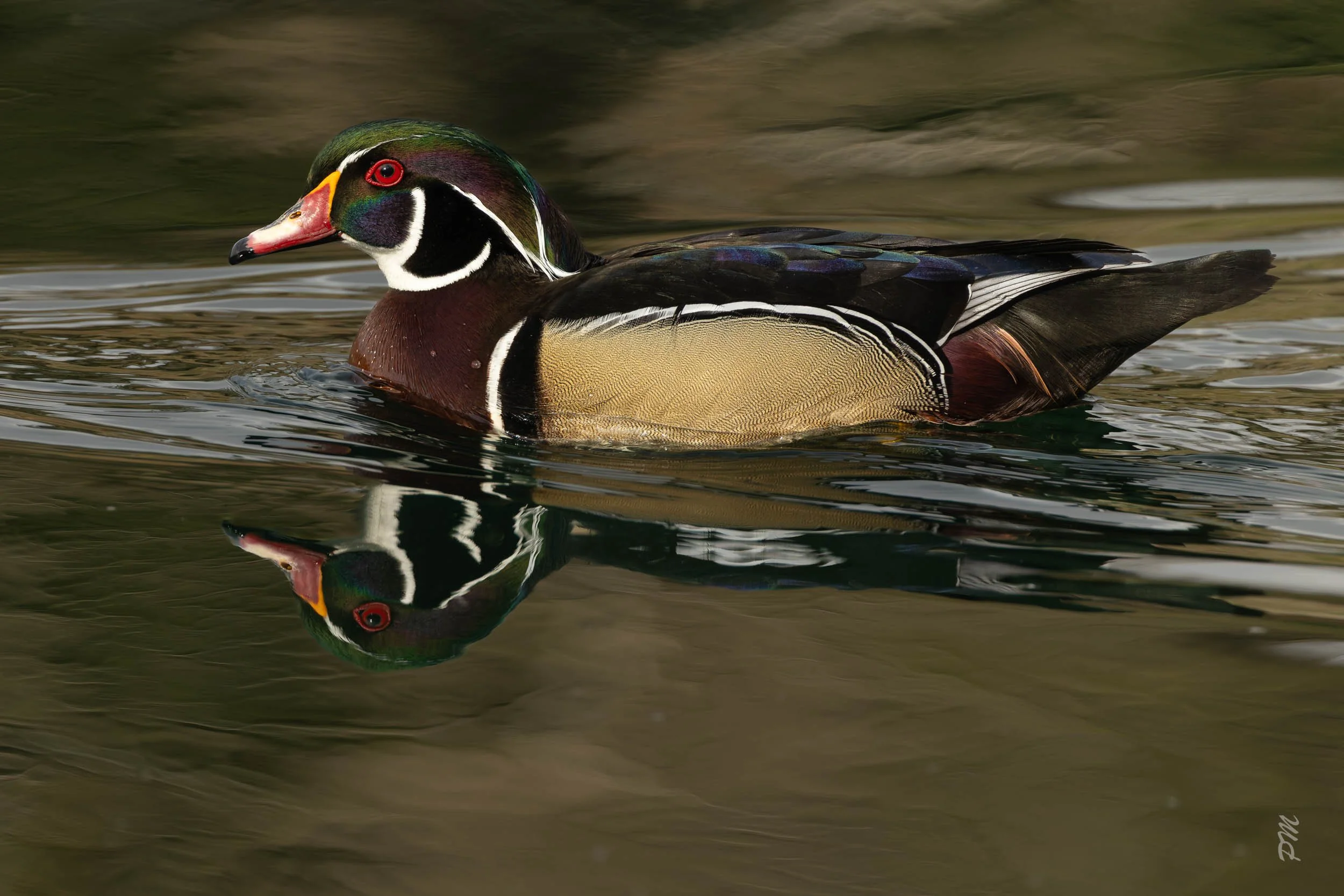
One of my favorite migrants is the Wood Duck. I think we have some year-round residents but not many. It’s more likely to see them in the Spring and Fall resting here for a while before heading on to greener pastures. (As always, I recommend clicking on any image below to view fuller screen)
Above - A female Wood Duck in flight heading right at me!
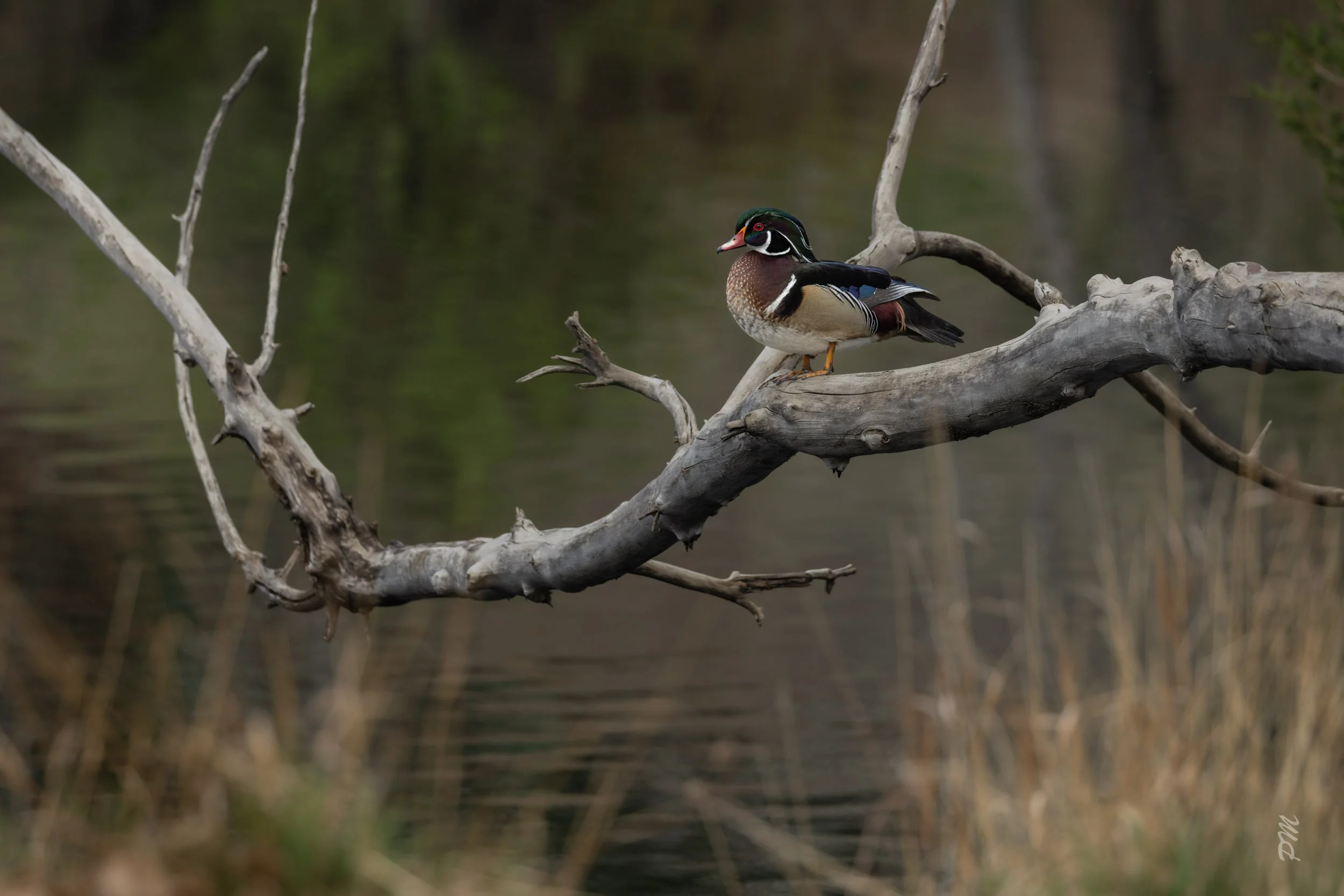
Above - A male Wood Duck rests on a large branch over a pond
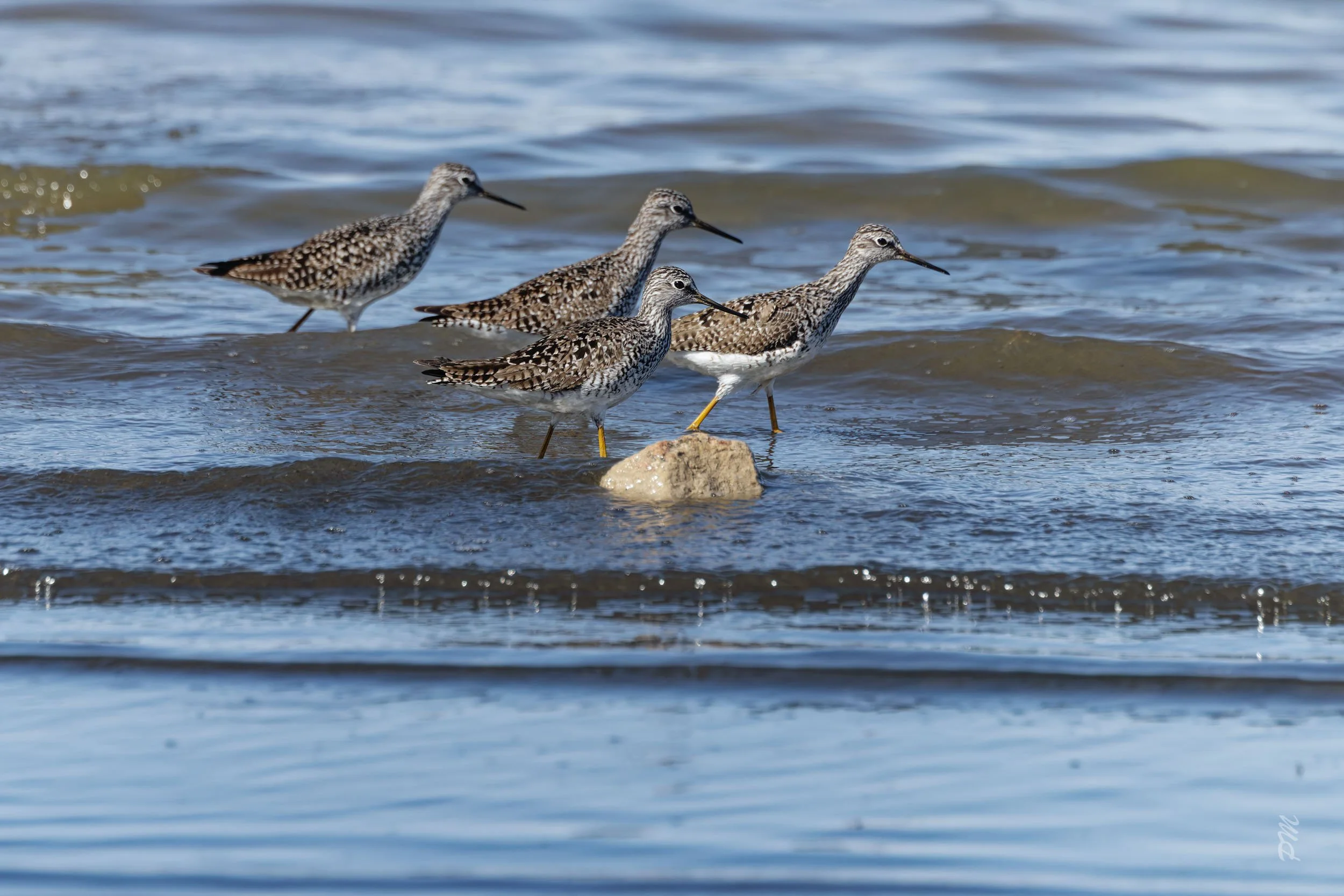
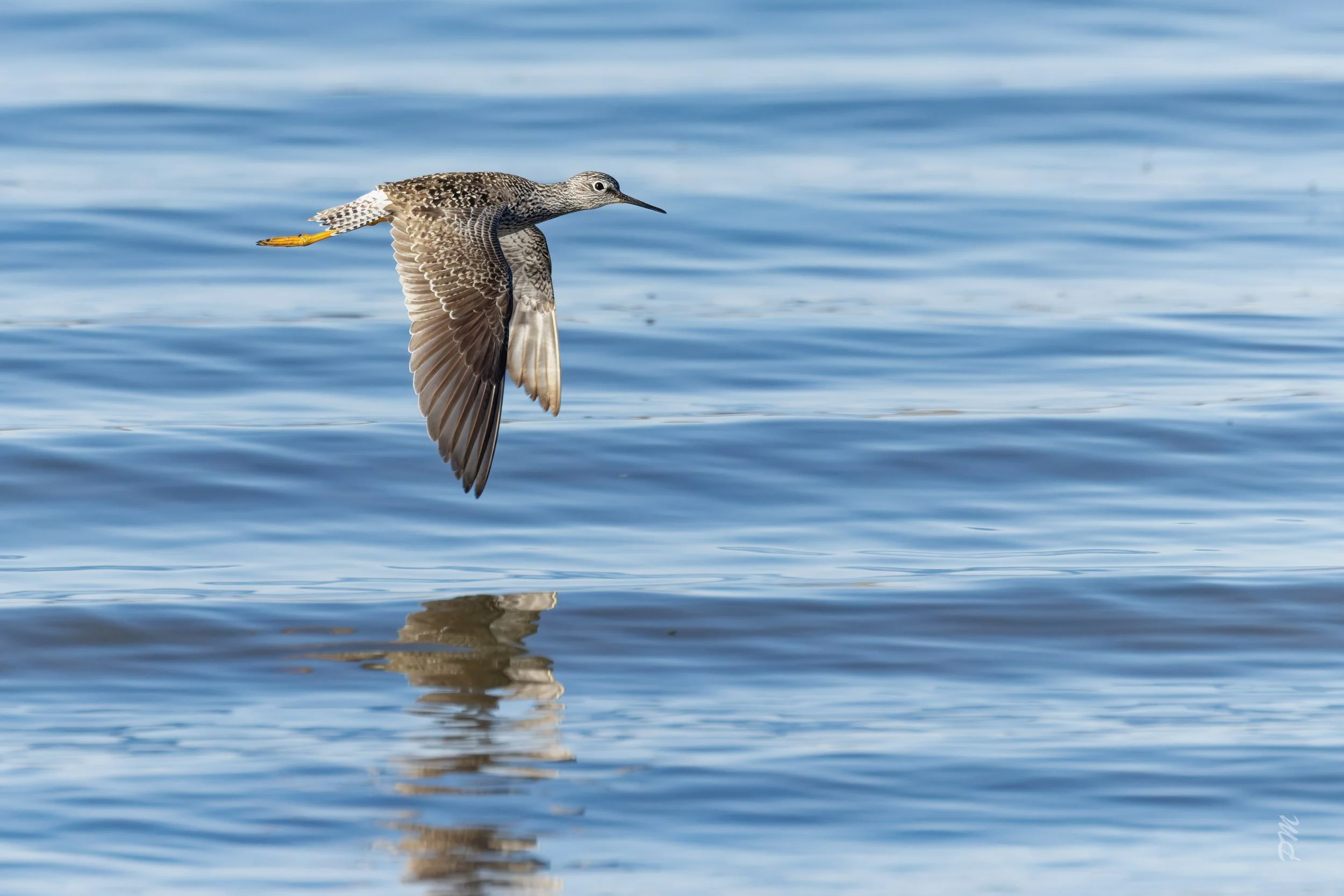
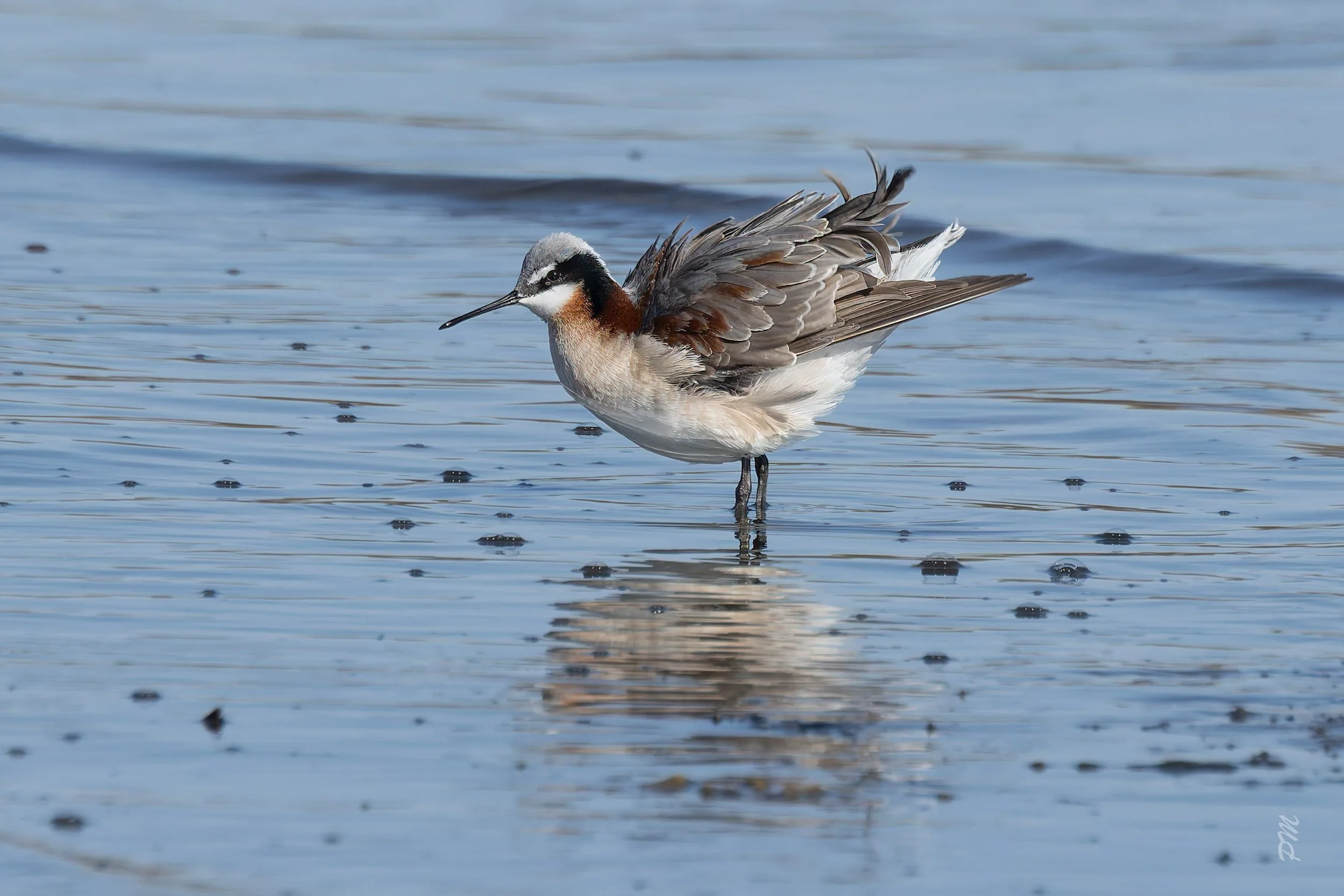
Cherry Creek State Park brings in a ton of unusual shorebirds including American Avocets in pure breeding pluming, Greater and Lesser Yellowlegs and even a Wilson’s Phalarope, also in beautiful breeding plumage. An interesting fact of American Avocets is that the sexes are almost indistinguishable except for one telltale sign. The female has a slightly short but much more upturned bill than the male as you can see below.
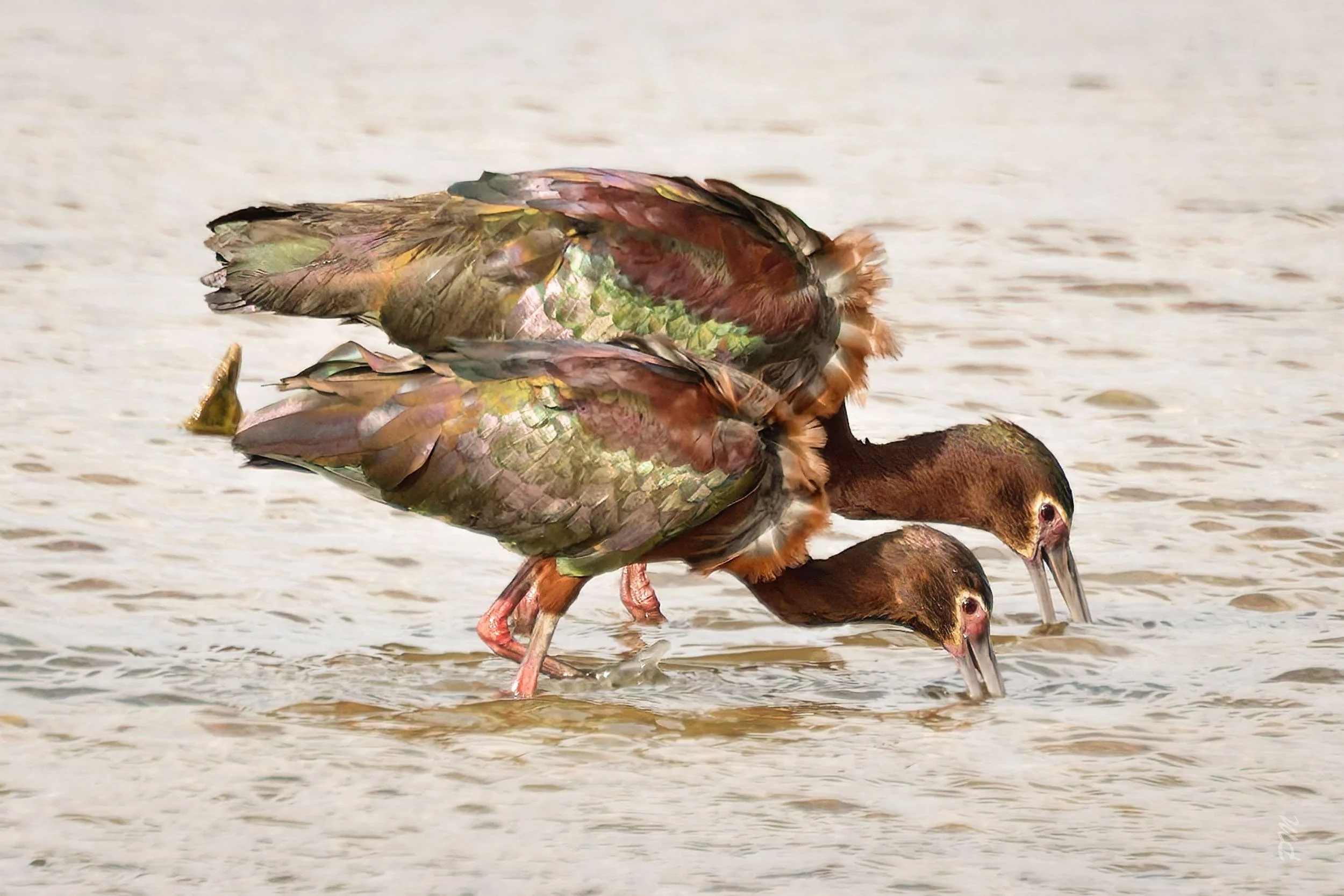
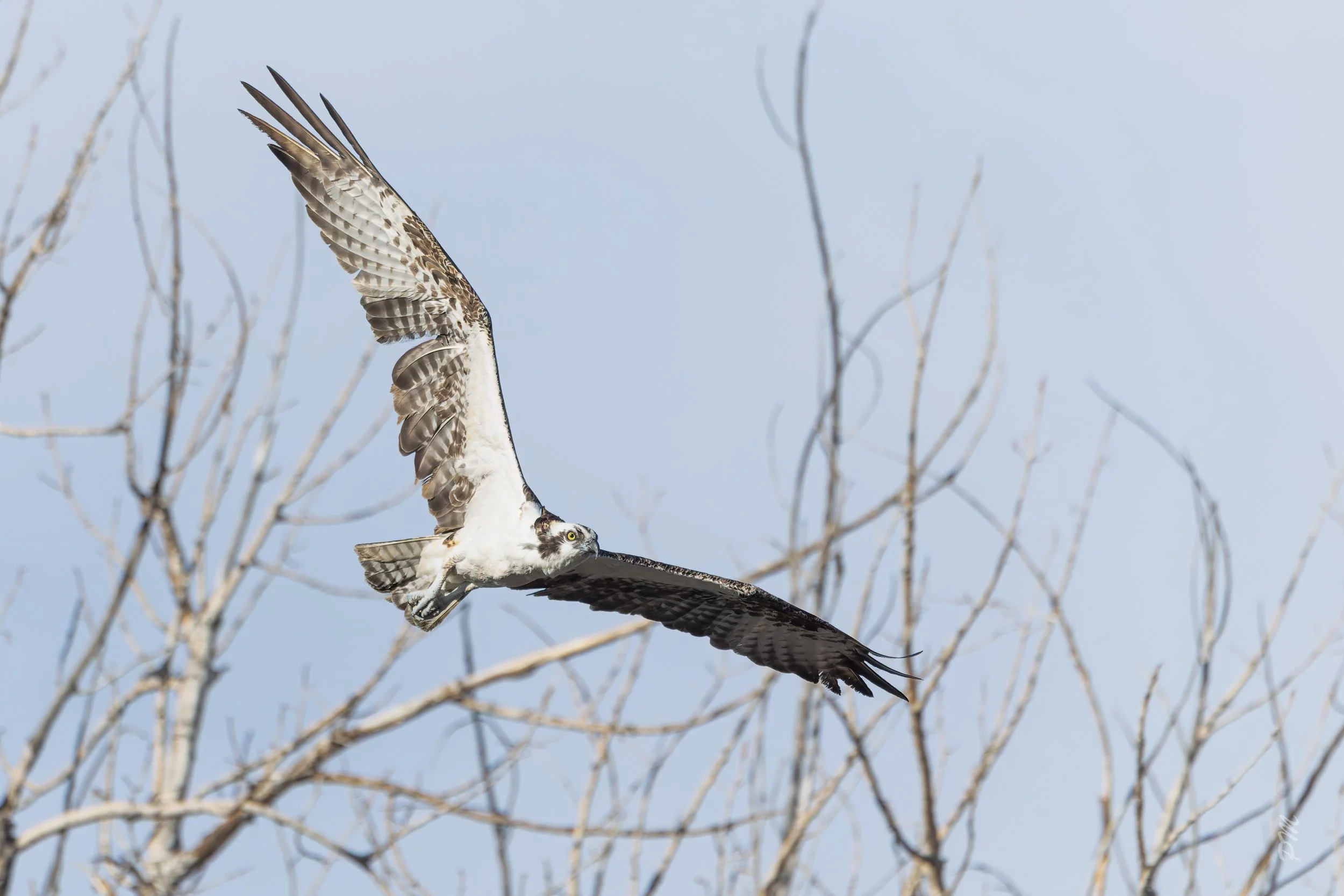
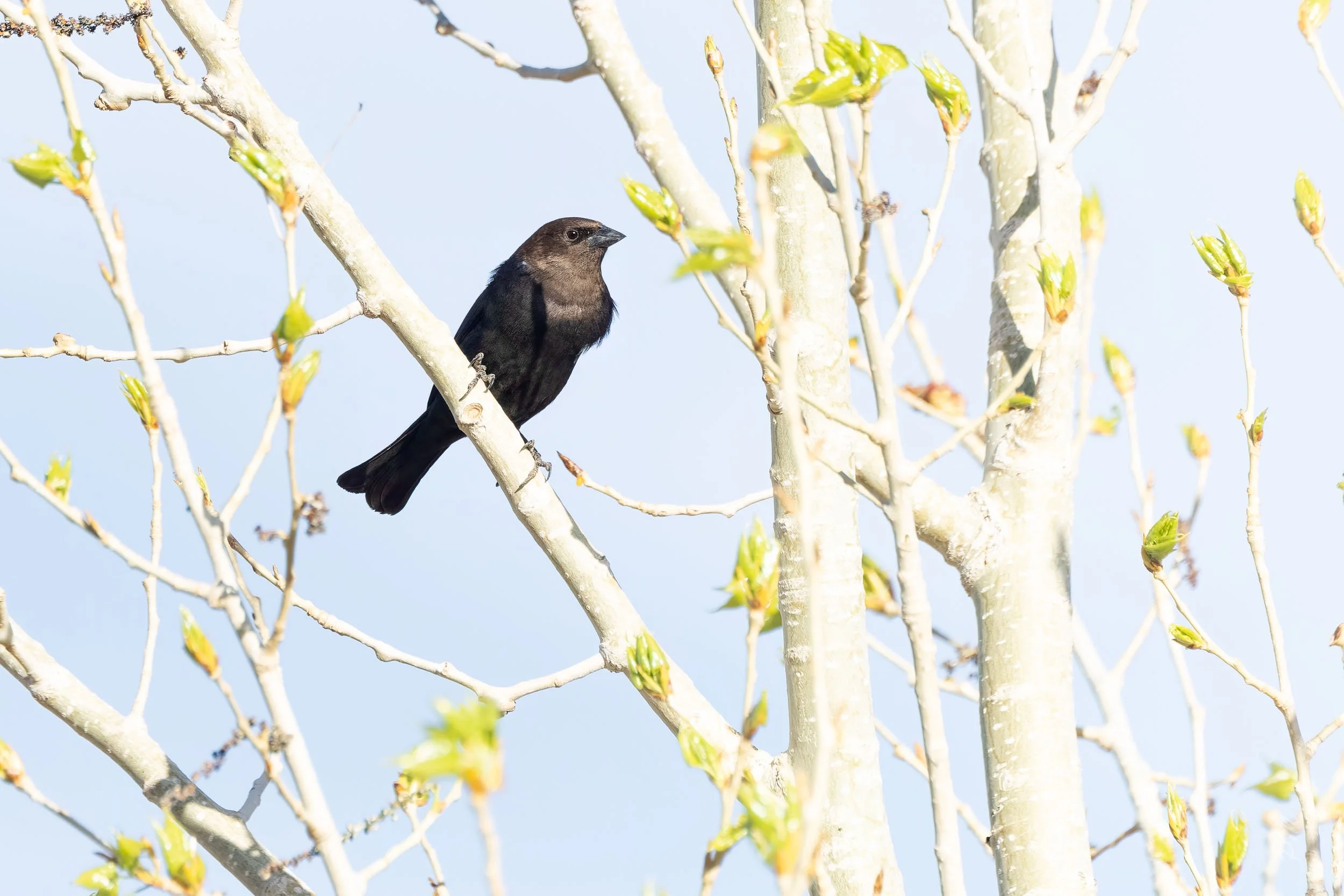
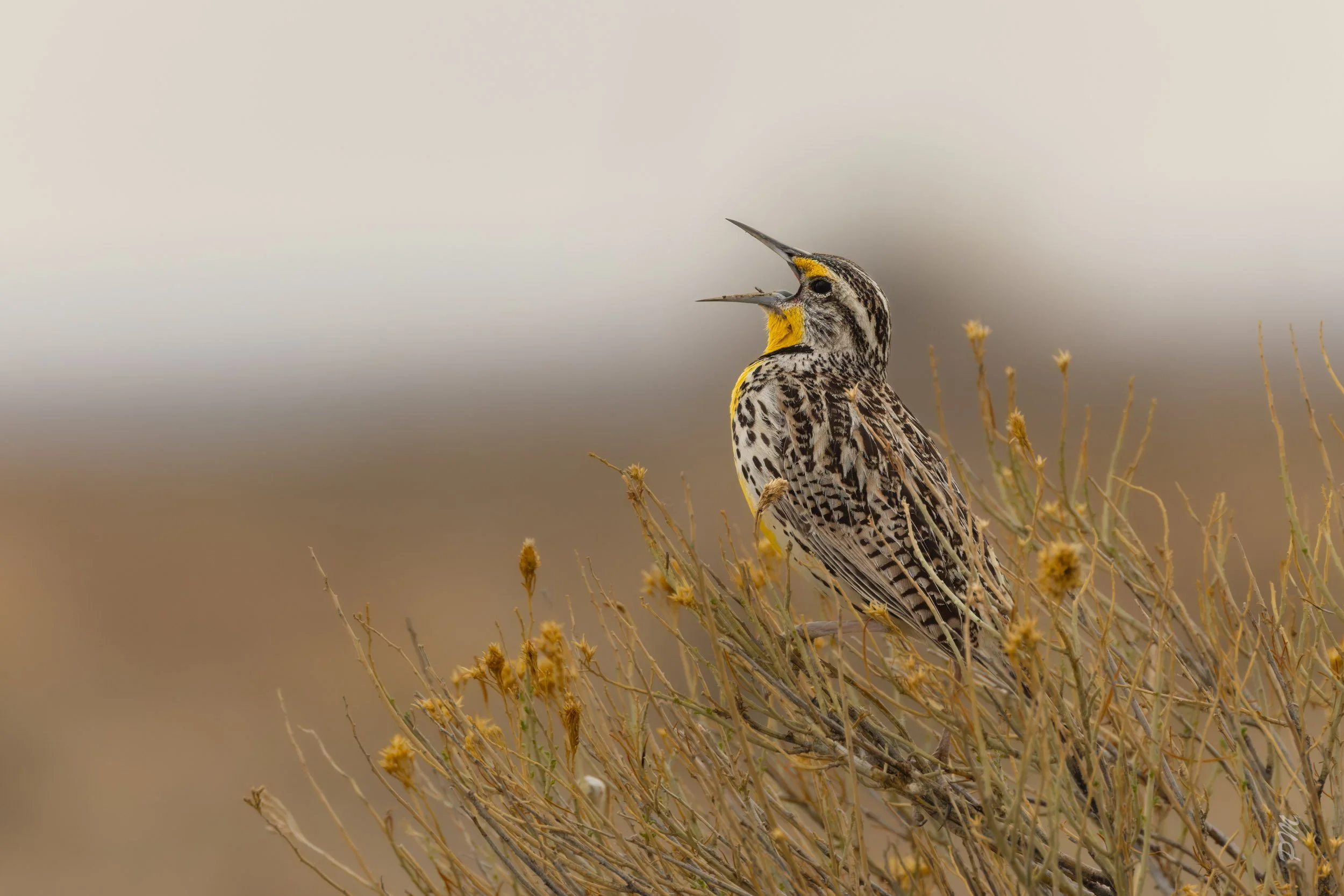
Chatfield State Park even gets into the action with fleeting glimpses of White-faced Ibises as well as the return of Ospreys. .Western Meadowlarks can be found year-round but start their melodious singing in the Spring.
And South Platte Park enters the chat with its extended welcome to the Horned grebe, a real treat of a bird as well as an Eastern Phoebe.
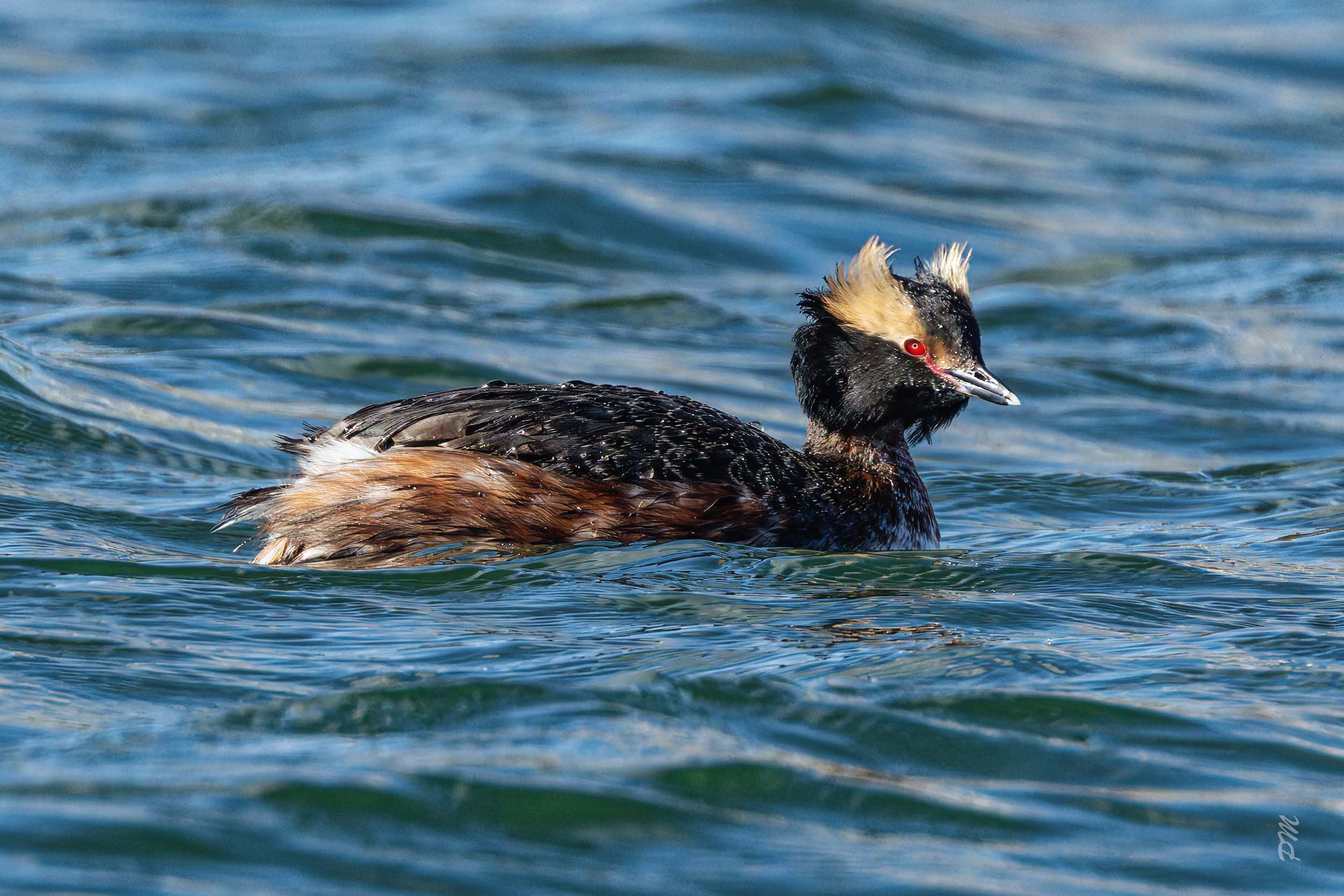
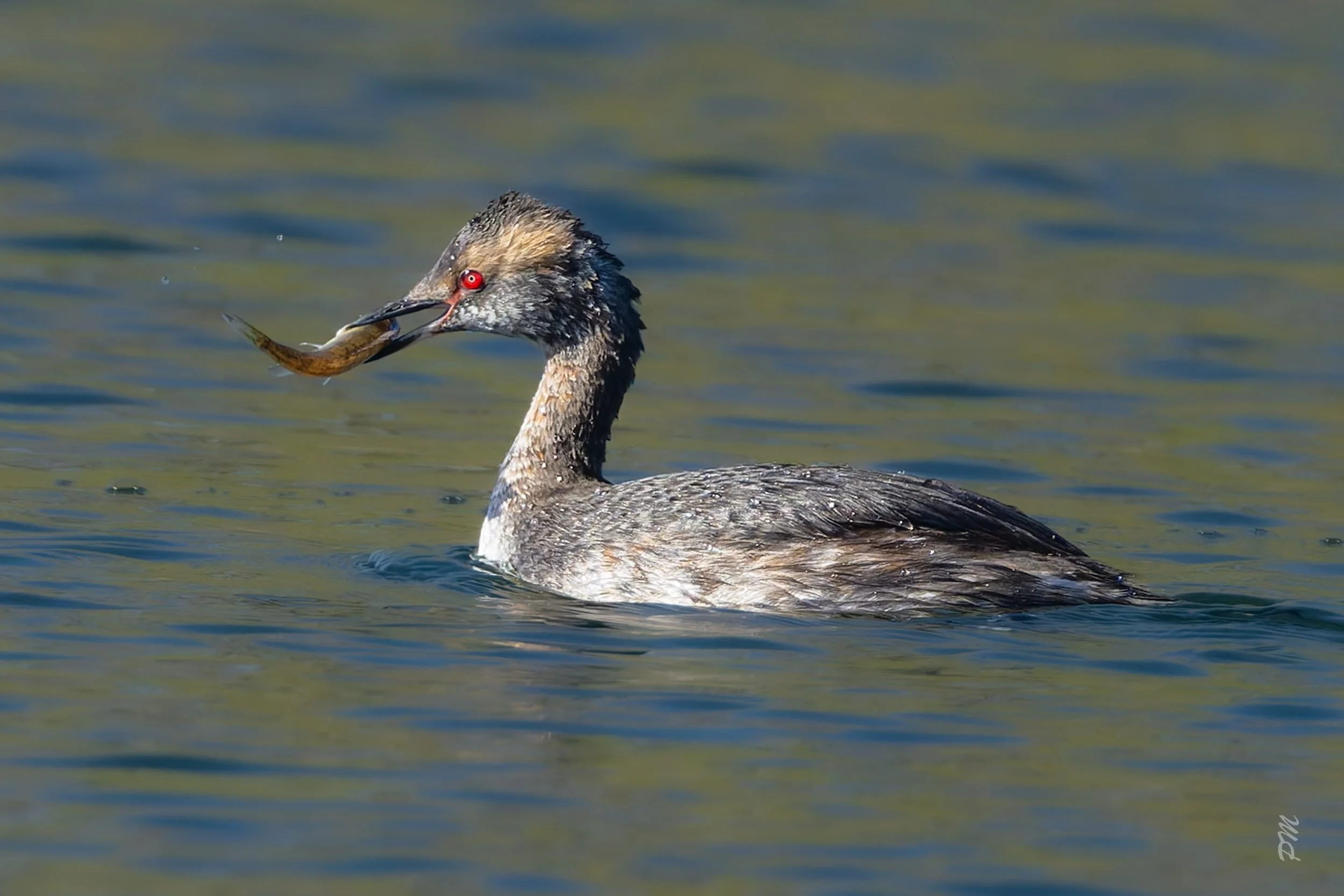
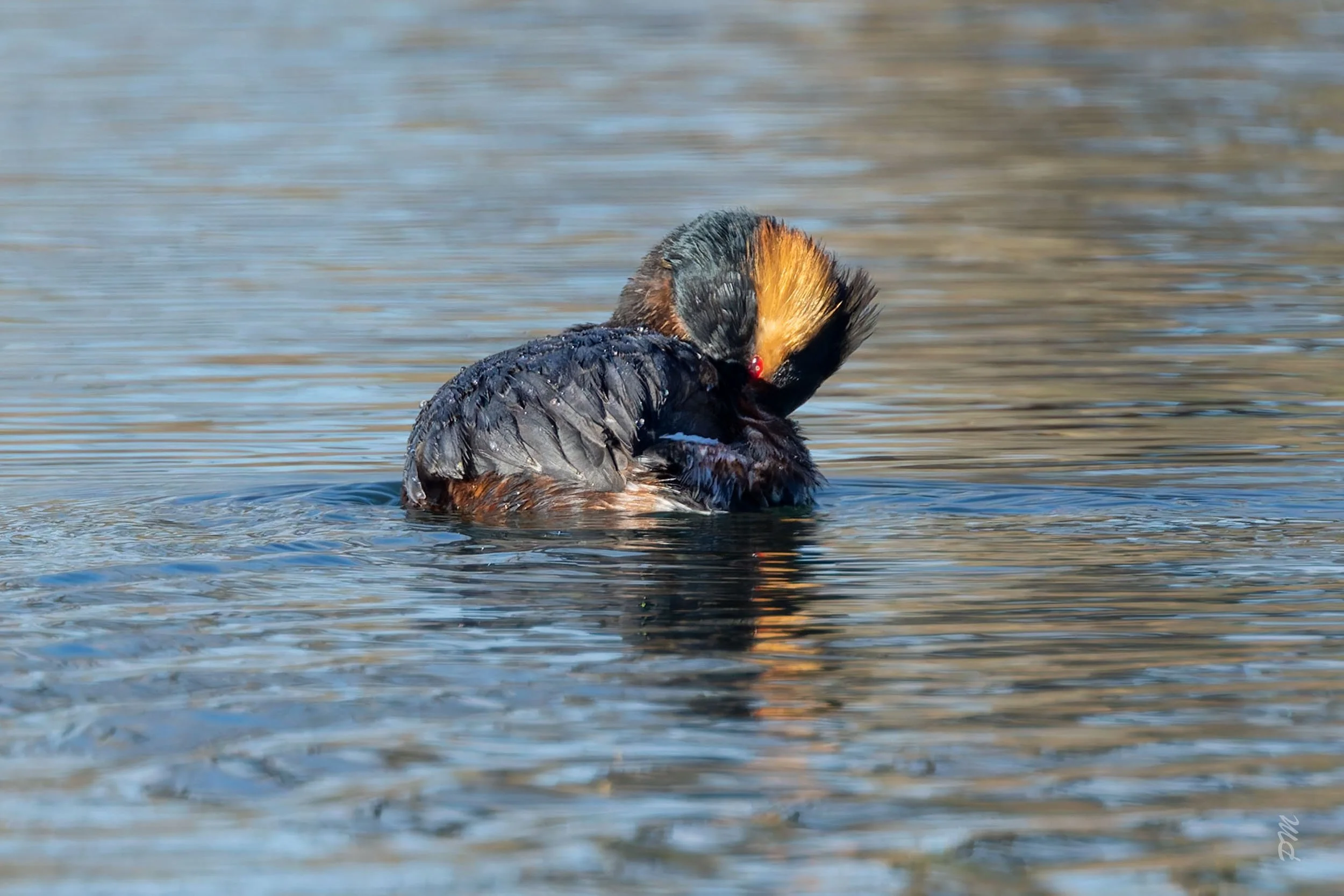
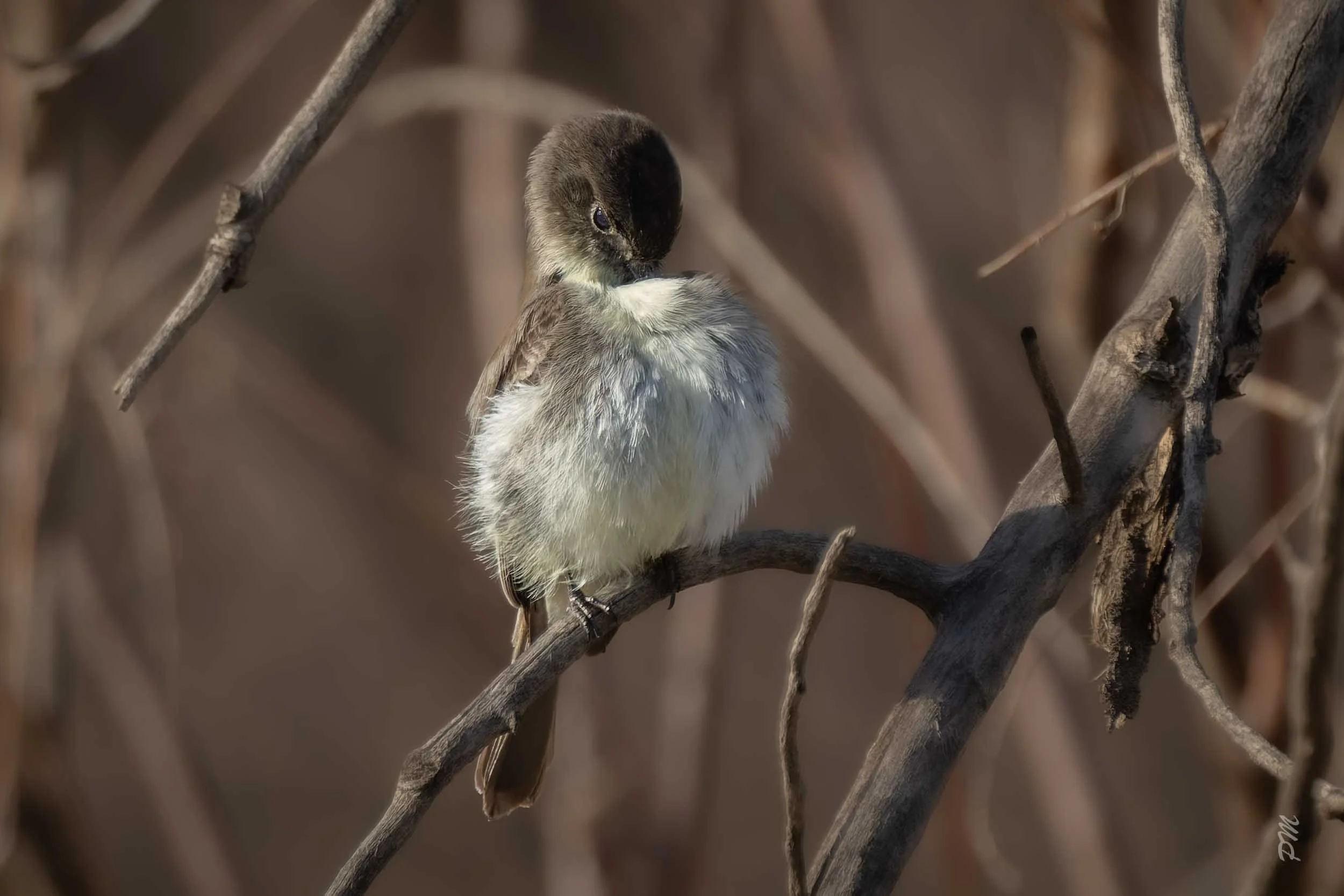
And for those birds that are returnees here to breed, they start that process with nests. And to build a nest, you need sticks like the ones below are collecting.
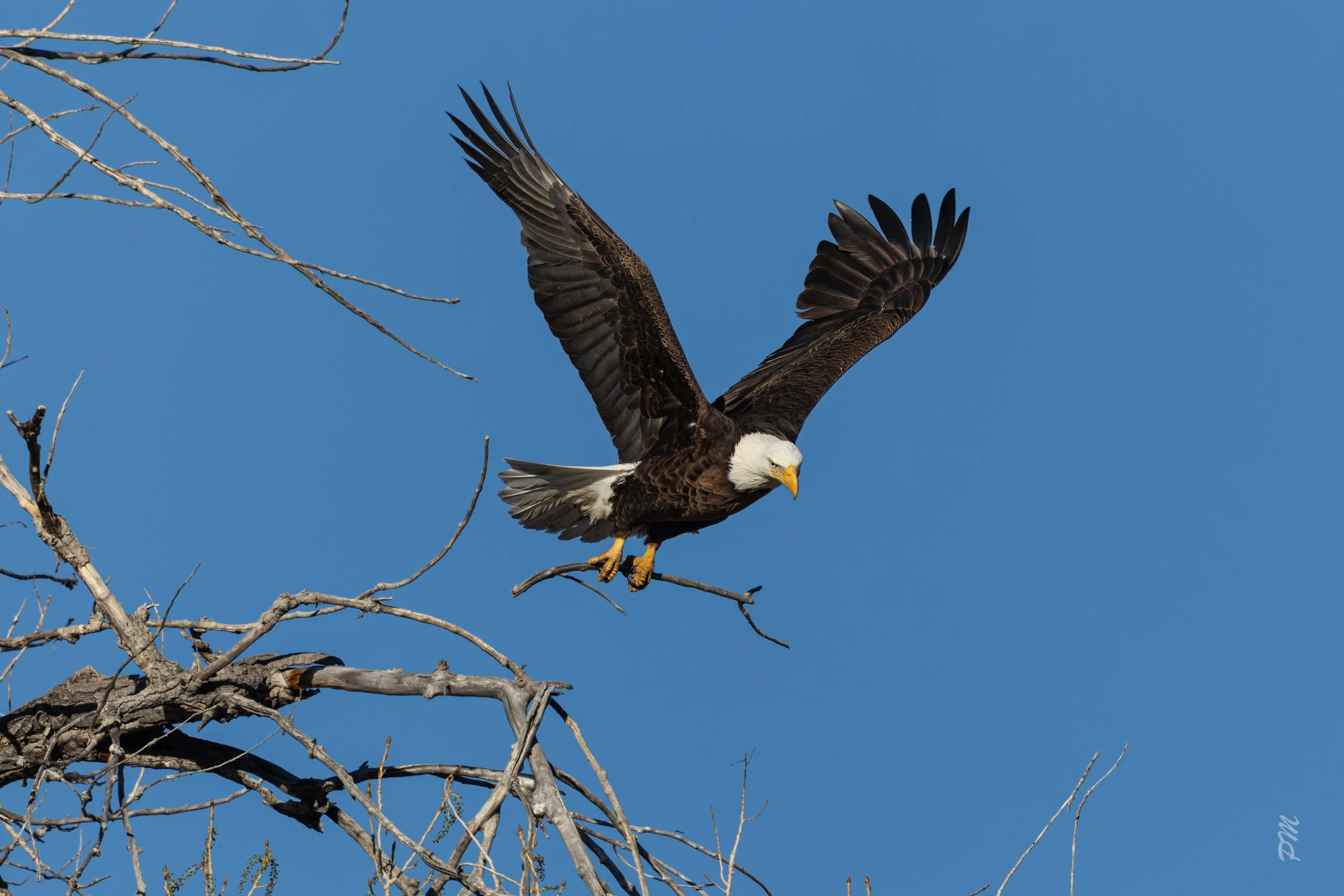
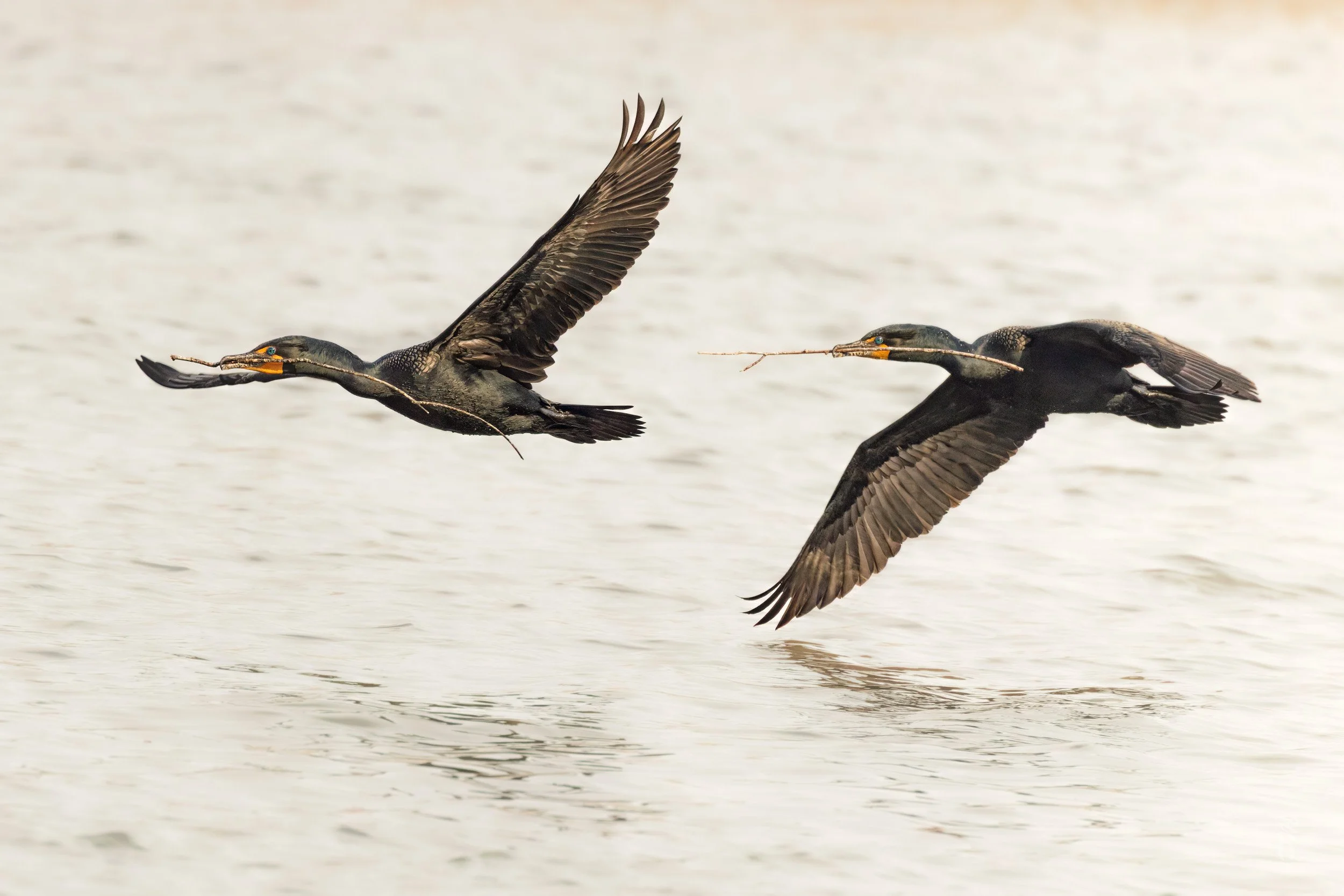
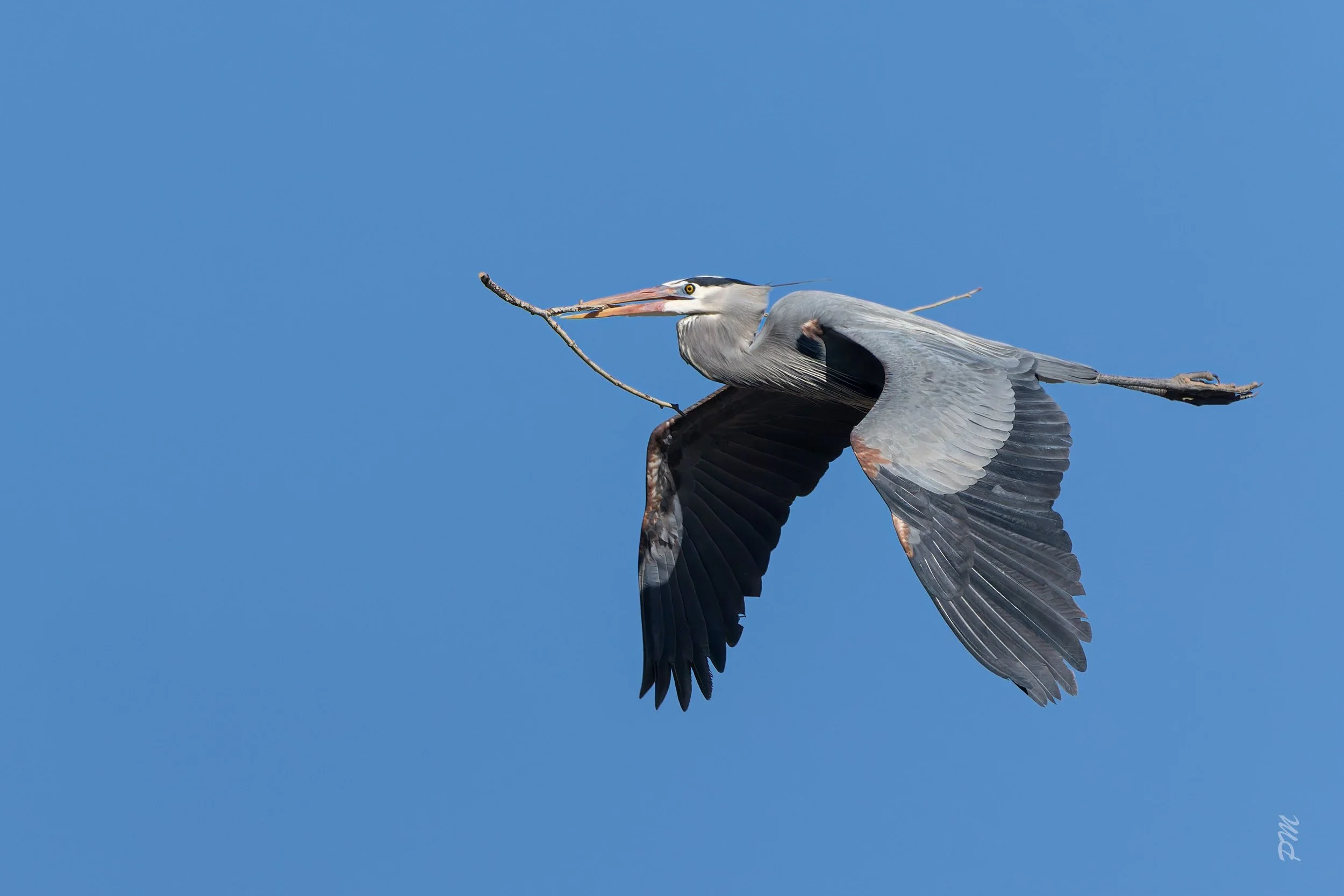
Of course, Great Horned Owls are the rare bird that never construct a nest, opting to either “appropriate” (aka “steal”) someone else’s home or to simply use a hollowed-out portion of a tree, like the one below.
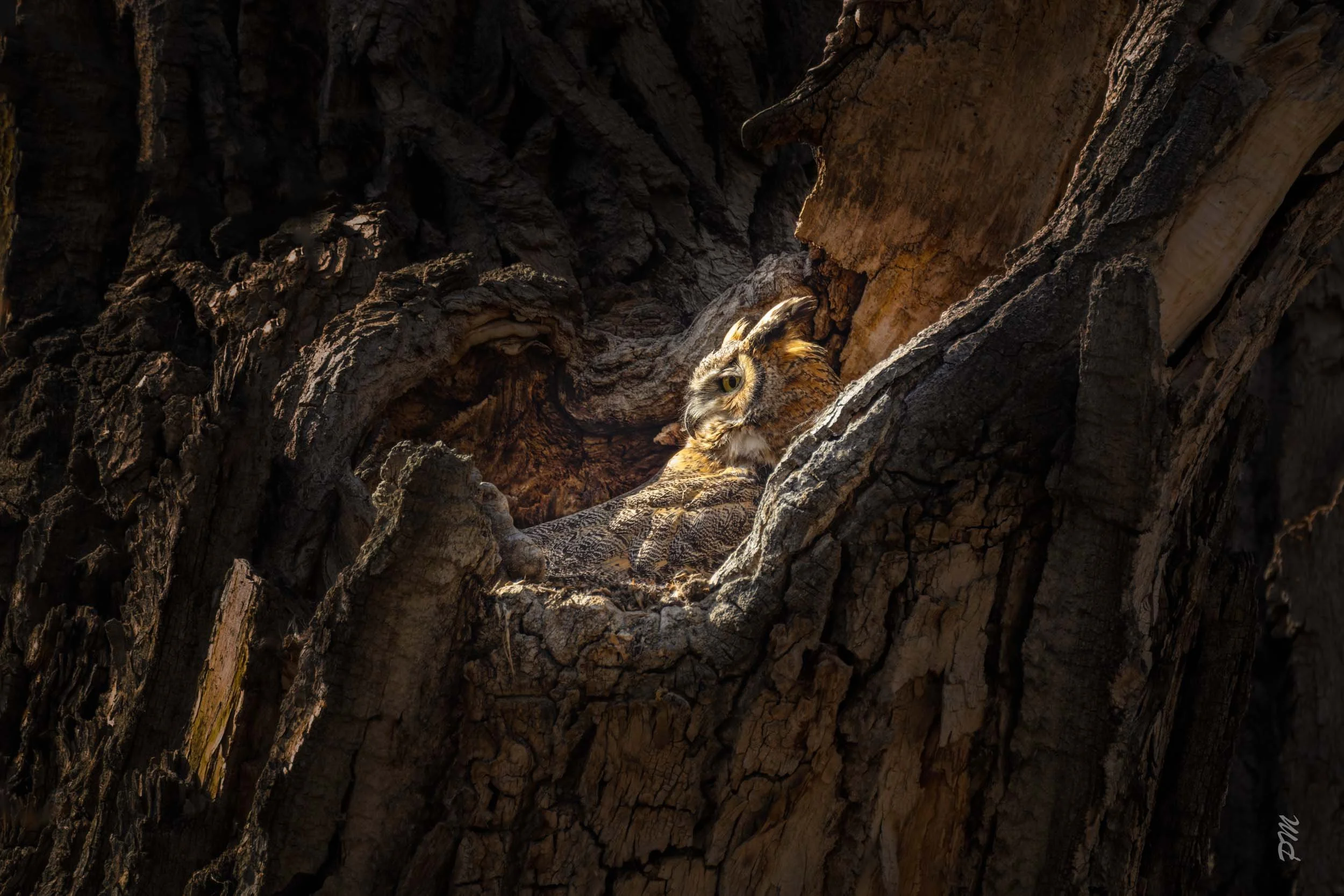
Above - Mama Great Horned Owl rests either before or right after her eggs hatch. The late afternoon light fell just perfectly on her. (Please note I practice ethical bird photography, especially around nests. This image appears substantially closer than it is due to the use of a 700mm lens and considerable cropping in post-processing. Other ethical practices I use can be found on my website)
So far, not a lot of babies except for one owl nest I follow where the babies are growing fast! They are so adorable that young, especially in how awkward they can be as my short 12-second video below shows.
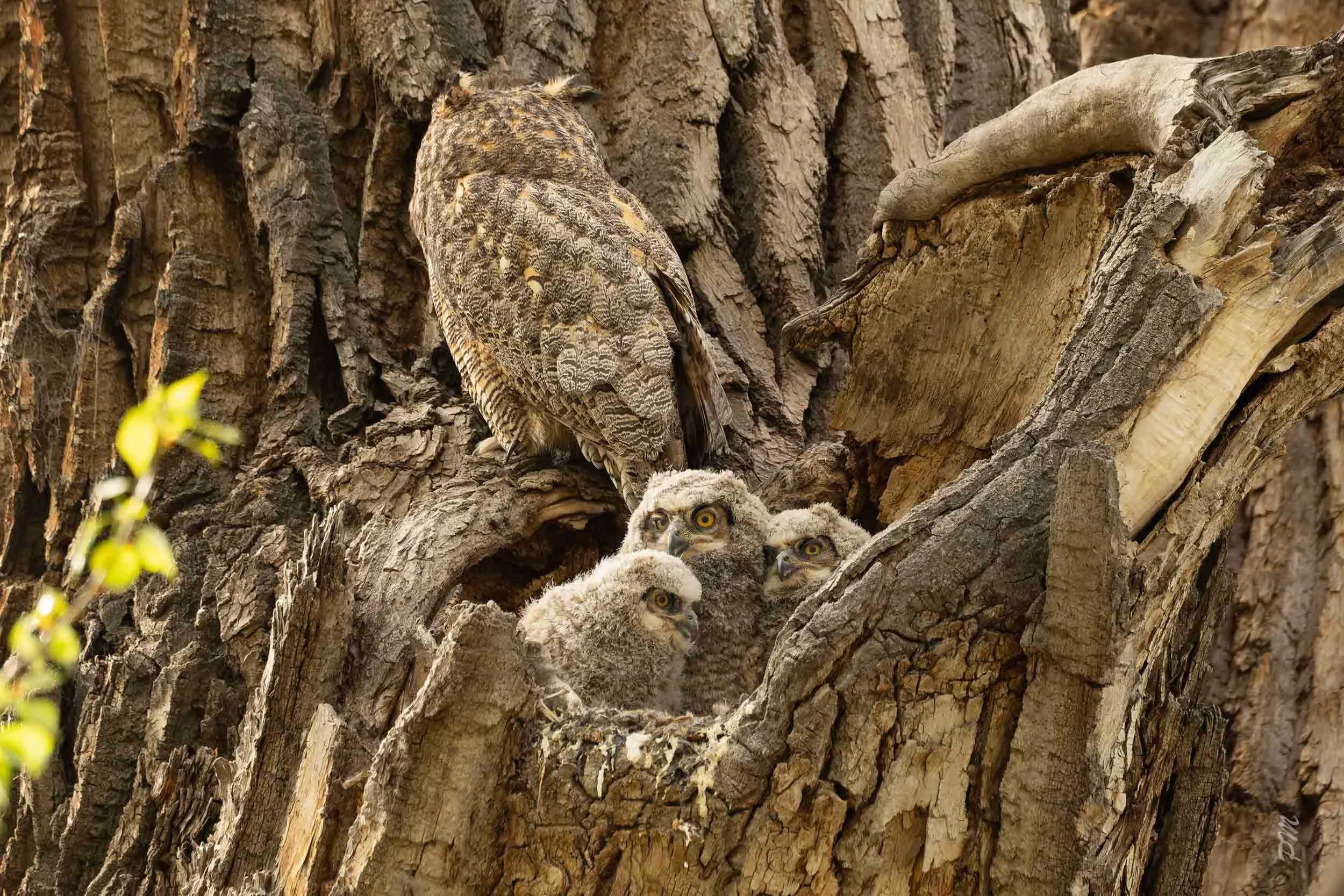
Above - Three of the four baby owlets can be seen here exploring the world with their eyes while Mama rests hers. (Please note I practice ethical bird photography, especially around nests. This image appears substantially closer than it is due to the use of a 700mm lens and considerable cropping in post-processing. Other ethical practices I use can be found on my website)
Oof! Baby owlets aren’t the most graceful creatures yet. Spoiler - baby was unharmed, just a bit embarrassed.
But did you notice what summer birds I didn’t include? Two of my favorites – the Snowy Egret and the Black-crowned Night Heron. They seem late or are they skipping us this year? Tune in next month to find the answer to this mystery.
Feel free to drop a comment or question below. I always enjoy reading and responding to them.